
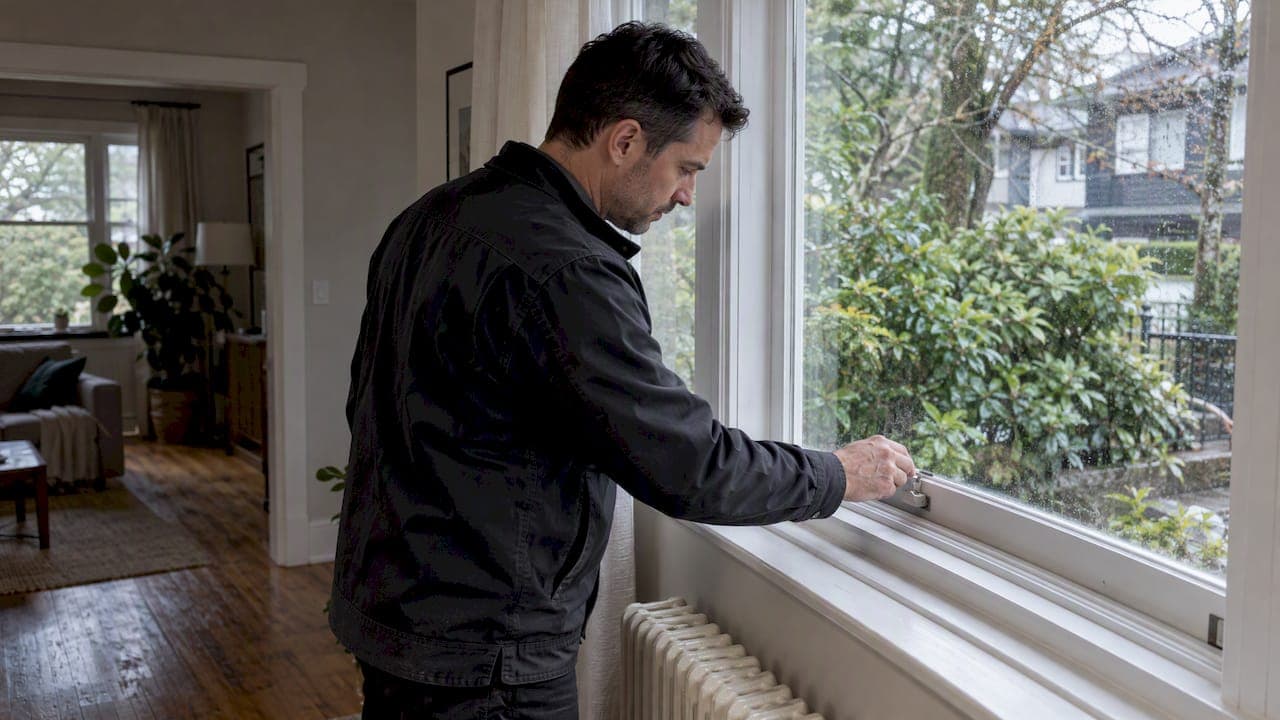
If you own a home in Vancouver, the Lower Mainland or Whistler and you are not there to look after it, you need three things in place: scheduled, documented physical checks, a person who can act on your behalf, and your paperwork filed on time. Together they protect the property, your insurance position and your tax standing. This guide explains what absentee homeowner services cover, what the rules in British Columbia require of you, and how to build a plan that works whether you are across the country or across the Lions Gate Bridge.
TL;DR
- An absentee owner is anyone who cannot physically inspect the property on a regular schedule, including owners who live in the same city.
- Insurers expect a documented oversight plan. Dated visit logs and photographs are the evidence that matters after a loss.
- Vancouver homeowners must declare property status every year, even when they live in the home. A missed declaration means the property is deemed vacant and taxed at 3% of its assessed taxable value plus a $250 by-law fine.
- Non-resident owners who rent out a Canadian property face a 25% withholding on gross rent unless they obtain CRA approval of an NR6 election in time.
- Hire maintenance and trades with care: confirm WorkSafeBC coverage before work starts.
Table of Contents
- Who counts as an absentee homeowner
- What absentee homeowner services include
- The Vancouver rules every absentee owner should know
- Insurance: the point most owners miss
- An absentee owner checklist for Vancouver
- Hiring a service: what to ask
- Our perspective: oversight is evidence
- How Veil Concierge supports absentee owners
- FAQ
- Sources
Who counts as an absentee homeowner
The phrase suggests an owner living overseas, and many are. But the practical definition is wider. Industry commentary on duty of care and absentee ownership makes the point that an owner who lives locally but cannot readily inspect the property in person is still effectively absentee, and should have a documented oversight plan in place to stay in good standing with an insurer.
In our work in Vancouver and Whistler, absentee owners tend to fall into a few groups:
- Second-home owners who spend winters in Whistler or summers on the coast and leave the other residence empty.
- International owners who hold a Vancouver residence for family, investment or future relocation.
- Executives and families who travel for weeks or months at a time.
- Owners in transition, between a purchase and a move-in, or during a renovation.
Each group has the same exposure: something goes wrong, and nobody notices for days or weeks.
What absentee homeowner services include
The terms "home watch", "property oversight" and "home management" overlap. In practice the services fall into four layers. You can use one or all of them.
1. Scheduled residence checks
A trained person walks the property on a fixed schedule, weekly or fortnightly for most owners, and more often in winter or during a storm warning. A proper visit follows a written route: exterior and roof lines, doors and windows, interior rooms, water use, heating and cooling, signs of pests or moisture, alarm status. It ends with a dated report and photographs sent to you.
The log matters as much as the visit. It turns "someone looked at it" into evidence you can hand to an insurer or a strata council.
2. Maintenance and trades coordination
Checks find problems. Someone must then arrange the fix: a plumber for a slow leak, an HVAC technician for a failed heat pump, a roofer after a windstorm. Coordination means obtaining quotes, scheduling access, supervising the work and confirming it was finished. It also means vetting the contractor, which we cover below.
3. Housekeeping, arrival and departure preparation
Before you land, the heat is on, the refrigerator is stocked, beds are made and the vehicle is ready. When you leave, perishables are cleared, the property is secured and the house returns to its monitored routine.
4. Mail, packages and vehicles
A full mailbox or a pile of parcels signals an empty house. Mail and package management removes that signal and keeps time-sensitive documents, including tax notices, in front of you. Vehicles left in a garage need periodic checks too. We cover that in our guide to vehicle oversight at second homes.
The Vancouver rules every absentee owner should know
Empty Homes Tax: declare every year
The City of Vancouver requires owners to submit a declaration each year, and that includes owners who live in their homes. For the 2025 tax year the declaration deadline was February 3, 2026, with payment due April 16, 2026.
The cost of missing it is steep. A property with no declaration is deemed vacant, which brings a tax of 3% of the assessed taxable value plus a $250 by-law fine. On a home assessed at $3,000,000, that is $90,000 in tax before the fine. Late declarations are possible, with acceptable evidence, and the City's Empty Homes Tax page lists the late-filing dates and penalties. A 5% penalty on the levy applies after the late declaration deadline. Check the page for the dates that apply to your tax year, since they change annually.
Two practical habits help:
- Put the declaration date in your calendar and assign a named person to confirm it was filed.
- Keep evidence of how the property was used. If an exemption applies, you will need records. Documented visit logs, utility records and service invoices are the kind of material that supports a claim. We explain how in our guide to avoiding a vacancy levy with concierge evidence.
The City also sets out the wider obligations in its property tax and Empty Homes Tax overview: pay property tax, and declare property status, each year.
A service provider can remind you, gather evidence and keep records organised. The declaration itself, and any decision about exemptions, is yours, and for complex situations a tax adviser or accountant is the right person to consult.
Renting the home out while you are away
If you are a non-resident of Canada and receive rent from a Canadian property, the payer is generally required to withhold 25% of gross rent. The Canada Revenue Agency explains this in its guide to electing under section 216. That election allows tax to be calculated on net rental income, after expenses, instead of gross, but you need CRA approval of Form NR6 by January 1 of the tax year or before the first rental payment. Section 216 returns also have deadlines, set out on the CRA's when to file page. Residency for tax purposes turns on your ties to Canada, so if you are unsure of your status, speak to a cross-border tax professional before you rent.
The CRA also clarifies that a tenant paying rent for their own residence is not expected to know where the landlord lives or withhold on the landlord's behalf, as described in its filing and reporting requirements. The obligations for a landlord, or an agent who collects the rent, can differ, so confirm your arrangement with an adviser.

Hiring trades: WorkSafeBC
When you are away, contractors often arrive on your instruction. Province of British Columbia guidance notes that employing persons to work around your residence may make you an employer for workers' compensation and safety purposes, and that acting as your own general contractor carries obligations. In practice, ask every trade for a WorkSafeBC clearance letter before work starts, and keep it on file. A coordinator who handles this step for you removes a liability that most owners never think about until something goes wrong.
Insurance: the point most owners miss
Damage is the obvious risk. The less obvious one is the claim that is reduced or declined because the owner could not show reasonable care. Policies commonly set conditions on how long a home can sit unoccupied and on what you must do while it does. Read yours, or have your broker explain it, and ask directly:
- After how many days does vacancy limit or suspend coverage?
- Are there required inspection intervals, and must they be documented?
- What heating and water shut-off conditions apply in winter?
- Are contractors and vacancy covered while renovations are under way?
The answers set your inspection schedule. Our articles on insurer-ready vacation home inspections and winterizing a vacation home walk through what a documented routine looks like. If your property has leak sensors or cameras, see our note on checks for smart home monitoring: a sensor that alerts a phone nobody is watching is not oversight.
An absentee owner checklist for Vancouver
Use this as a working list. Adjust it to your home, strata and insurer.
Before you leave
- Confirm your insurer's vacancy conditions in writing.
- Name one accountable local contact with authority to act, and share their number with your strata manager, alarm company and neighbours you trust.
- Agree a visit schedule and a report format: dated notes, photographs, and any action taken.
- Decide your emergency spending limit, so a burst pipe is dealt with at once rather than after an email chain.
- Reroute or collect mail and parcels.
- Set heating to the level your insurer and the season require. In a Vancouver winter, a failed furnace or a cold snap in Whistler is a real risk.
- Secure or service vehicles, and note battery and tire checks.
- Record your Empty Homes Tax declaration date and who is responsible.
Each visit
- Check entry points, windows and exterior for signs of tampering or storm damage.
- Run taps and flush toilets in rarely used bathrooms; look under sinks and around the water heater for moisture.
- Inspect ceilings, walls and basements for stains, odour or condensation.
- Confirm HVAC operation and filter condition.
- Test alarm and monitoring status.
- Look for pests and for signs of any unauthorised use.
- Clear mail and parcels, and adjust lights or blinds so the house looks lived in.
- Write and send the report the same day.
Every season
- Clear gutters and drains before the autumn rains.
- Service heating before winter and cooling before summer.
- Review landscaping, tree limbs near the roof and any irrigation shut-off.
- Check smoke and carbon monoxide alarms.
- Review the insurance policy and the evidence file.
Every year
- Declare property status to the City of Vancouver, where applicable.
- If you rent the property and are a non-resident, confirm the NR6 and withholding arrangements with your adviser before the first payment.
- Collect WorkSafeBC clearance letters for any contractors used.
- Review the plan: is the visit frequency still right?
Hiring a service: what to ask
Absentee homeowner services range from a single weekly walk-through to full home management. Whatever type you consider, ask these questions:
| Question | Why it matters |
|---|---|
| Are visits scheduled and documented, with photographs? | Logs are your evidence for insurers and tax authorities. |
| Who enters your home, and how are keys and codes held? | Discretion and access control are the heart of the service. |
| Who are the trades, and are their WorkSafeBC accounts in good standing? | Removes liability from you. |
| What can the coordinator approve without calling you? | Speed in an emergency. |
| Is there one point of contact for property, vehicles, travel and household needs? | Fewer handoffs, fewer gaps. |
| How are urgent after-hours issues handled? | Leaks and outages do not follow office hours. |
A home watch business that only walks the rooms is one option. Others focus on tenant placement and rental management, which suits owners who want income, but it is a different service from caring for a home you intend to keep available for your own use.
Our perspective: oversight is evidence
Most owners ask us first about security. We understand why, but experience has taught us that the larger losses come from slow problems: a small leak behind a wall, a heating fault in January, a tax deadline passed while someone was travelling. None of these needs a break-in. All of them need someone who is looking, writing it down and able to act.
That is how we run property oversight at Veil Concierge. We act as a single, discreet point of contact for owners across Vancouver, the Lower Mainland and Whistler. Visits are scheduled, residence checks are recorded, and trades and housekeeping are coordinated through a vetted network of local operators. When the owner is travelling, the same contact can arrange arrival preparation, the vehicle, mail and packages, and the transport from the airport. The aim is simple: your residence, attended to as if you never left.
We would also say plainly what we do not do. We do not file your taxes or give legal advice, and we do not replace your broker. We keep the records, and we make sure the people who should advise you have what they need.
— Veil
How Veil Concierge supports absentee owners
Our property oversight service covers scheduled residence checks, maintenance coordination, housekeeping, contractor supervision, vehicle checks, arrival and departure preparation, and mail and package management for primary and secondary residences in British Columbia. If your needs are broader, our concierge membership packages (Gold, Platinum and Diamond) bring home, travel and lifestyle requests under one relationship, and Veil Home Setups helps when a residence is being prepared for occupancy. Where an arrival involves a driver, chauffeur services are published at $128.13 to $410 per hour in CAD.
Owners who want to see how a visit is structured can read our property inspection checklist.

FAQ
What is home watch, and how is it different from a property manager?
Home watch is a scheduled, documented inspection of a vacant or part-time residence. A property manager typically finds tenants, collects rent and handles tenancy issues. If you plan to keep your home available for your own use, oversight and home management are usually the better fit.
How often should an absentee home in Vancouver be checked?
Weekly or fortnightly suits most owners, with extra visits after storms, during cold snaps and in the first days of a long absence. Your insurer's conditions set the minimum, so confirm them before you settle on a schedule.
Do I have to declare my Vancouver property if I live in it?
Yes. The City of Vancouver requires a declaration every year, even from owners who occupy their homes. Without one the property is deemed vacant and taxed at 3% of its assessed taxable value plus a $250 by-law fine.
Do I need to withhold tax if I rent my home while living abroad?
If you are a non-resident and receive Canadian rental income, 25% of gross rent is generally withheld, unless the CRA approves an NR6 election in time so that tax applies to net rent. Residency and filing deadlines are specific to your situation, so speak to a cross-border tax adviser.
Can a concierge hire trades for me?
Yes, and it is one of the main reasons owners use one. Ask that every trade provide a WorkSafeBC clearance letter before work begins, and that the coordinator keeps it on file.
Sources
- City of Vancouver: Declaring your property status
- City of Vancouver: Empty Homes Tax
- City of Vancouver: Property tax and Empty Homes Tax
- Canada Revenue Agency: T4144 Income Tax Guide for Electing Under Section 216
- Canada Revenue Agency: When to file a section 216 return
- Canada Revenue Agency: Filing and reporting requirements for non-resident rental income
- Province of British Columbia: Workers' Compensation Insurance
- Excess Underwriting: Absentee Landlord Checklist