
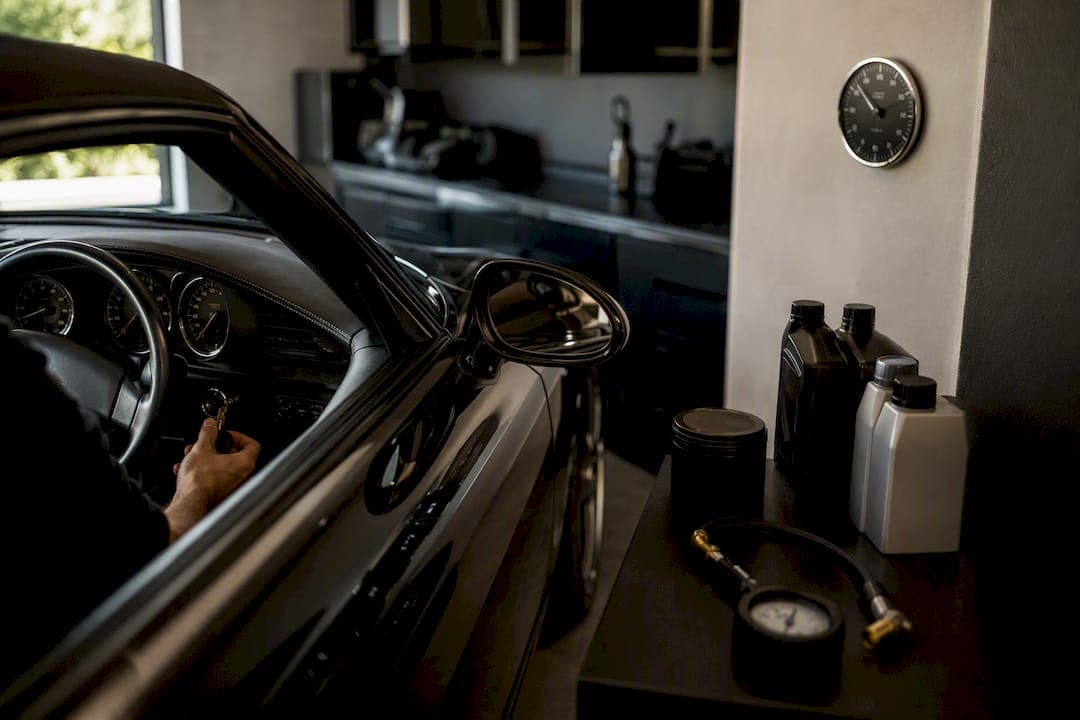
Vehicle oversight second homes require goes beyond a spare key with the caretaker. Concierge vehicle oversight is the professional, ongoing management of a car kept at a seasonal or secondary residence, and it exists to solve one problem: a vehicle left unattended for weeks or months degrades faster than most owners realize. A single trusted concierge can coordinate:
- Battery tending and starting protocols so the car powers on the day you arrive
- Storage preservation including tyre care, climate considerations and pest control
- Pre-arrival preparation with fuel, fluids and a full inspection completed before you land
- Discreet delivery, pickup or chauffeur service so the vehicle meets you, not the other way around
Veil Concierge provides exactly this kind of oversight for owners who want one point of contact managing the vehicle, not a rotating cast of local contractors.
Key Takeaways
Consistent, documented oversight, not occasional checking, is what keeps a second-home vehicle safe, functional and ready to drive on arrival.
| Point | Details |
|---|---|
| Skip short idles | Run the vehicle to full operating temperature to clear condensation instead of brief idling cycles. |
| Match battery chargers to chemistry | Lithium, AGM and lead-acid batteries each need different float-charging settings to avoid damage. |
| Prevent tyre flat-spotting | Use lifts, foam cradles, or above-standard tyre pressure during any long storage period. |
| Get agreements in writing | Confirm insurance coverage, access logs and authorized-driver lists before handing over keys. |
| Consolidate with one provider | Veil Concierge coordinates inspections, servicing, transport and arrival prep through a single point of contact. |
Table of Contents
- What professional vehicle oversight covers
- The routine checklist your second home vehicle needs
- Storage and preservation for a car that sits for months
- Scheduling and pre-arrival preparation
- Access, insurance and the agreements you should insist on
- How Veil Concierge maps to this checklist
- Why the standard advice on this topic misses the point
- Bring your vehicle oversight under one roof
- Sources
What professional vehicle oversight covers
Casual care means someone starts the car once in a while and calls it good. Preservation-grade oversight is a documented, scheduled discipline. It includes routine inspections on a set cadence, battery tending appropriate to the vehicle's chemistry, tyre pressure checks, and fluid verification, plus full thermal runs rather than brief idles that accomplish little.
Security matters just as much as mechanics. A professional service tracks who has access, logs every visit, and can integrate telemetry or alarm monitoring where the vehicle supports it. Transport and delivery options round out the picture, since some owners want the car brought to them rather than visited in place.
Not every vehicle needs a climate-controlled bay. But high-performance, hybrid, or rarely-driven cars often benefit from specialist storage where humidity and temperature are actively managed.
- Scheduled inspections with photo-documented visit logs
- Battery tending matched to chemistry (lead-acid, AGM, lithium)
- Full thermal runs, not short idles
- Authorized-personnel-only access protocols
Pro Tip: Ask any prospective provider whether their visit reports include timestamped photos. If they can't produce one on request, they're not tracking the vehicle closely enough to catch a slow problem before it becomes an expensive one.
The routine checklist your second home vehicle needs
A vehicle sitting idle between visits needs a consistent routine, not sporadic attention. Here's what that routine should include, whether you manage it yourself or hand it to a concierge.
- Battery. Connect a float charger matched to the battery's chemistry. Lithium and AGM batteries have different tending curves than conventional lead-acid units, and using the wrong charger setting can shorten battery life significantly.
- Tyres. Inflate above standard PSI or use lifts and foam cradles. High-performance tyre compounds are especially prone to flat-spotting during long storage, and once a flat spot sets into the tyre carcass, it's often permanent.
- Fluids and fuel. Add a fuel stabilizer if the vehicle will sit longer than 30 days, and check oil and coolant levels on a monthly basis.
- Exercise the vehicle properly. A quick five-minute idle does more harm than good. Vehicles need to reach full operating temperature to burn off condensation that otherwise accelerates corrosion in the exhaust system and engine block.
- Security checks. Confirm doors, windows and any storage enclosure are secure, and log the visit with a timestamp and photo.
Collector storage guidance consistently points to the same baseline: scheduled start-ups, tyre checks, and battery checks are standard, not optional, for any vehicle that sits for extended stretches.
Storage and preservation for a car that sits for months
Seasonal dormancy is where most preventable damage happens. Climate control, when available, should target stable humidity and a moderate, consistent temperature rather than any single "ideal" number. Wild swings do more damage than a slightly imperfect steady state.
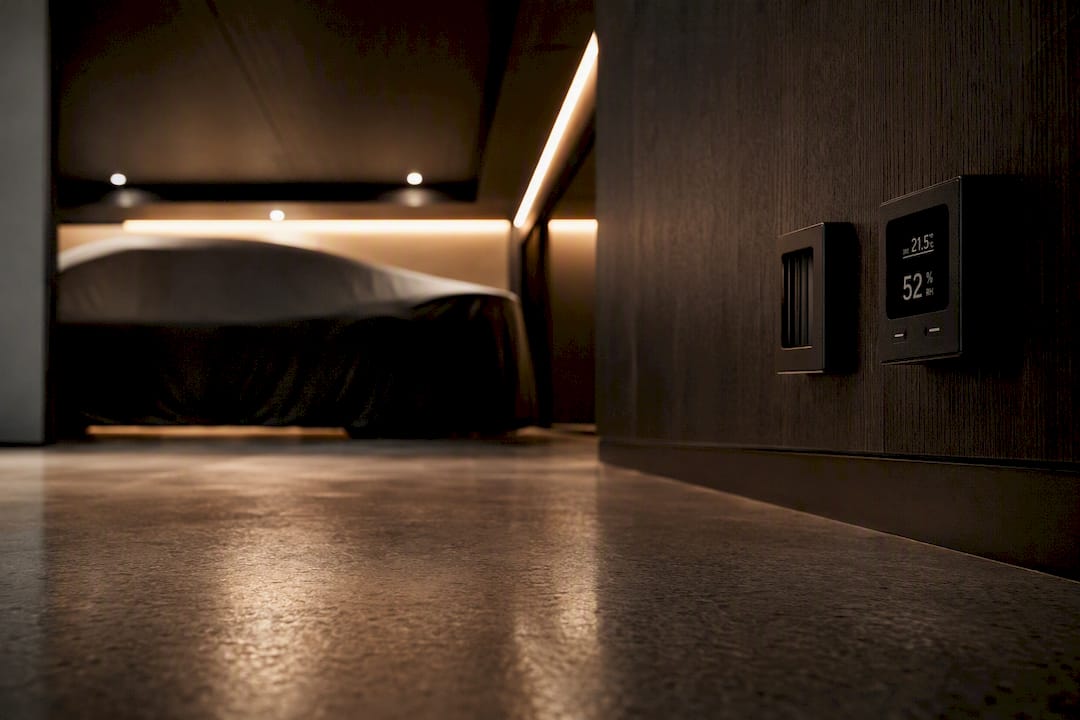
Lifts or foam cradles keep tyres off the ground entirely, which eliminates flat-spot risk and prevents chassis flex-set from settling into suspension bushings over time. Battery float chargers need to match the vehicle's specific chemistry: lithium packs, AGM batteries and traditional lead-acid units all tend differently, and a one-size charger can cause more harm than a dead battery would.
Hybrids, dry-sump engines and high-performance platforms carry their own quirks, from hybrid battery conditioning cycles to oil pooling issues in dry-sump systems that need attention before a long dormancy period.
Residential garages rarely meet the security and environmental thresholds that many collector or performance vehicle insurance policies actually require. Professional facilities routinely offer climate control, active maintenance checks and specialized battery tending that a standard garage simply cannot replicate.
- Verify climate stability, not just temperature setpoints
- Insist on documented visit logs from any storage provider
- Confirm battery tending matches your vehicle's chemistry
- Ask what happens to fuel and oil during extended dormancy
Scheduling and pre-arrival preparation
A workable cadence is simpler than most owners expect. Weekly checks catch small issues early, monthly exercise runs keep mechanical systems from seizing, and a full pre-arrival prep gets the car road-ready before you touch down.
- Weekly: Battery voltage check, visual security walkaround, tyre pressure glance.
- Monthly: Full thermal exercise run, fluid top-off, brake and suspension inspection.
- Pre-arrival (48 to 72 hours out): Battery confirmed, tyres set to driving pressure, fluids topped, wash and detail completed, full mechanical inspection, and keys staged for handoff.
Chauffeurs and enclosed transport fit neatly into this sequence for owners who'd rather have the car meet them at the airport or ferry terminal than drive from the garage themselves. Veil's luxury transportation coordination handles exactly that handoff, timed to your travel schedule rather than the other way around.
Access, insurance and the agreements you should insist on
Handing a vehicle to a third party without paper protection is a mistake, even with a provider you trust. A proper agreement should spell out who's authorized to drive the car, any mileage limits, how keys are custodied between visits, and where liability sits if something goes wrong in transit.
- Confirm insurance covers storage, handling, transit, and any third-party drivers involved
- Require access logs and photo proof for every visit, not just a verbal update
- Restrict access to named, authorized personnel only
- Review Veil's terms and conditions as an example of the operational detail a proper agreement should contain
How Veil Concierge maps to this checklist
Veil Concierge was built around the exact gap this checklist describes: owners who need consistent, documented oversight but don't want to manage five separate vendors to get it. The service scope includes scheduled inspections, coordination of servicing appointments, chauffeur and enclosed transport arrangements, and full pre-arrival preparation so the car is ready the moment you land.
- One point of contact instead of a rotating list of local contractors
- Documented, photo-backed visit logs on a set schedule
- Chauffeur and transport coordination, including luxury transportation for handoff logistics
- Discreet handling suited to high-value or high-profile vehicles
Veil's handling of vehicles like the Lamborghini Urus shows the level of care applied to complex, high-performance platforms, and readers can review Veil's broader home management services to see how vehicle oversight fits into a wider property care plan.
Pro Tip: If you already use a concierge for property inspections, ask whether vehicle checks can be added to the same visit log. Bundling both under one provider usually costs less than running two separate service contracts.
Why the standard advice on this topic misses the point
Most guidance on caring for a second home vehicle treats the car as an afterthought to the property, a line item squeezed into a general inspection visit. That's backwards. A vehicle sitting idle for months is mechanically more vulnerable than a house sitting idle for months, because a house doesn't have a battery that dies or tyres that flat-spot from a single season of neglect.
The conventional advice, start it up once in a while, also gets the mechanics wrong. A brief idle doesn't protect anything. It can actively harm the engine by leaving condensation in place instead of burning it off, which is the opposite of what most owners assume they're accomplishing.
What should come first is documentation, not intuition. Owners who insist on photo-logged visits and chemistry-matched battery tending catch small problems before they become five-figure repairs. The checklist in this piece isn't a nice-to-have. It's the difference between a vehicle that's ready when you arrive and one that needs a tow truck.
— Veil
Bring your vehicle oversight under one roof
Coordinating battery tending, tyre checks, servicing appointments and a detail before every visit means juggling several vendors, none of whom talk to each other. Veil Concierge replaces that patchwork with a single point of contact who handles the entire vehicle oversight routine, from weekly checks to the moment your car is washed, fuelled and waiting when you land.

Owners already using Veil for property oversight can simply add vehicle checks to the same visit schedule, no separate contract or second contact required. For those managing a higher-value fleet or a performance vehicle that needs chemistry-specific battery care, Veil's team builds the routine around the car, not a generic template. If you're weighing whether to bundle chauffeur and transport logistics into arrival prep, Veil's luxury car rental and daily pricing page shows how those services connect. Visit Veil Concierge to set up a vehicle oversight plan for your second home before your next visit.
Sources
- Flat spotting — Continental Tires CA
- CBC — idling and engine warm-up effects
- How to store a car long term: The 2026 professional preservation guide — Elite Restomods
- How to store a collector car: Protect your investment year-round — Modern Car Collector