
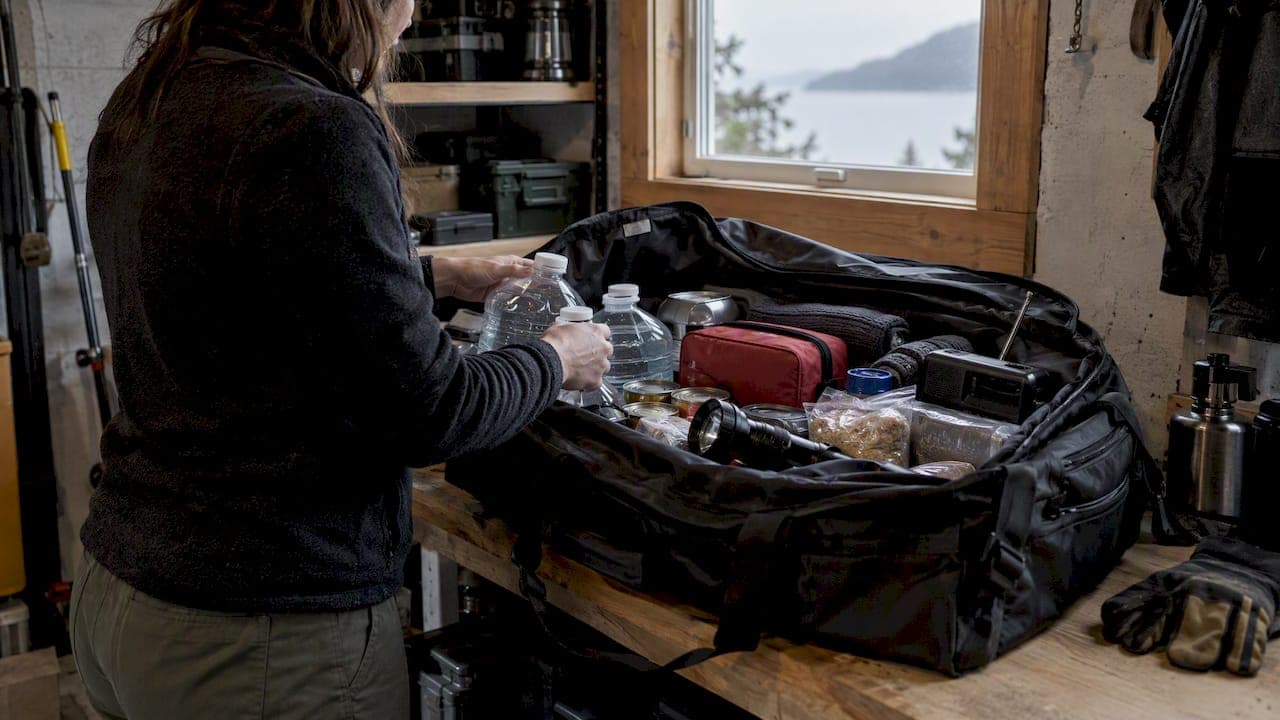
Do three things before the first big storm: assemble a 72-hour emergency kit, have your heating checked and install carbon monoxide alarms, and sign up for EmergencyInfoBC and weather.gc.ca alerts. Know how to report an outage to BC Hydro. These steps help prepare for common problems when a storm knocks out power or closes roads.
TL;DR:
- Build a household kit for at least 72 hours with medications, ID copies, cash, chargers, seasonal clothing, pet supplies, and vehicle kits; check expiry dates.
- Check your panel if nearby homes still have power; report an outage affecting the street to BC Hydro, and keep refrigerator and freezer doors closed.
- For flood risk, raise appliances and valuables, clear drains, and consider a sump pump and backflow valve; keep insurer contact details accessible.
- Have licensed contractors inspect furnaces and fireplaces annually, install carbon monoxide alarms on every level, and never run generators indoors or near windows and vents.
- Choose primary and backup meeting places, share an out of province contact with everyone, and follow EmergencyInfoBC, Environment Canada, and BC Hydro updates.
Table of Contents
- What should be on your before-storm checklist?
- How do you stay safe while the storm is happening?
- How do you prepare for a power outage?
- What should you know about flood and coastal flood risk?
- Which seasonal maintenance jobs matter most?
- How do you build an evacuation and communications plan?
- Where do you get official alerts and numbers?
- Our perspective: a storm plan is only as good as the follow-through
- Let us handle the pre-season checks for your home
- FAQ
- Sources
What should be on your before-storm checklist?
Start with a kit built to carry you through at least 72 hours. Canada suggests tailoring supplies to your household, checking expiry dates and building the kit over time.
- Water and food: follow Canada.ca's emergency kit checklist for water and food guidance, and choose non-perishable food your household will actually eat.
- Health and papers: first-aid supplies, prescription medications, copies of ID and insurance, and some cash.
- Power and access: phone chargers, a power bank and spare keys.
- Grab-and-go bags: one backpack per person with season-appropriate clothing, and pet supplies if you have animals. Keep a smaller kit in each vehicle.
- Vehicles: keep winter boots and other useful supplies in the car.
- Home: secure loose outdoor items, clear gutters and drains, and move valuables off basement floors.
- Maintenance: book a licensed contractor for the furnace and chimney, and test your carbon monoxide and smoke alarms.
- Records: back up key documents digitally and list emergency contacts, including one person outside the province.
Pro Tip: Swap seasonal items in your kit (warm layers, boots, blankets) each autumn when you check expiry dates.
How do you stay safe while the storm is happening?
Storms can create hazards such as high winds, heavy rain, snow and ice, extreme cold and thunderstorms. PreparedBC lists high winds, heavy rain, snow and ice, extreme cold and thunderstorms among the severe-weather risks in the province, and each calls for slightly different habits.
- Stay away from windows during high winds, and keep flashlights and a battery radio within reach.
- Use candles with great caution, and keep doors closed to hold heat in.
- Treat every downed power line as live. Stay well back and call 911 or BC Hydro.
- Keep clear of damaged trees and branches, even after the wind drops.
- Never drive through floodwater. If conditions worsen, pull over safely and check DriveBC for road conditions.
- Never heat a home with a gas oven. Run generators outdoors and away from windows and vents.
- Keep a carbon monoxide alarm on every level of the home.
How do you prepare for a power outage?
Storms can cause power outages in BC, and planning can help limit the disruption. BC Hydro's storm season guidance tells customers to prepare a 72-hour kit, use the outage map to report problems and turn off unnecessary appliances during an outage.
- Check your own panel first. If your neighbours have lights and you don't, the problem may be inside your home. If the whole street is dark, report it to BC Hydro by map or phone.
- Protect the food. Keep fridge and freezer doors closed, and eat perishables first.
- Leave gas to the professionals. Official guidance in B.C. warns that only a licensed gas contractor should restore service once a meter is shut off.
- Plan your portable power. Run generators outdoors, use a transfer switch for any home hookup, charge power banks in advance and unplug sensitive electronics so a surge doesn't damage them when power returns.
Province of BC guidance: the Province recommends installing carbon monoxide alarms and having licensed contractors inspect furnaces and fireplaces annually.
What should you know about flood and coastal flood risk?
B.C. faces two main types of flooding. The Province explains that riverine floods come from swollen rivers and streams, while coastal floods come from the sea, driven by storm surge and high tides. Higher background sea levels may compound king tides and storm surge, so waterfront and low-lying areas deserve extra attention.
- Raise appliances and valuables off the floor in basements.
- Install a sump pump and backflow valve if your property is flood-prone.
- Clear drains and improve grading so water moves away from the foundation.
- Photograph valuables and keep your insurer's contact details handy before anything happens.
Which seasonal maintenance jobs matter most?
A few tasks done before winter do the most to limit storm damage. The Province recommends annual licensed servicing of furnaces and fireplaces to reduce carbon monoxide risk.
- Book your furnace and chimney inspection before the cold arrives.
- Have an arborist trim trees near the house, and check roof elements and exterior drainage.
- Test sump pumps, battery backups and your generator.
- Keep insurance paperwork and contractor contacts in one place. Our guide to insurer-ready winterization and our seasonal checklist walk through this in detail.
Pro Tip: Do these jobs before winter, when contractors may be busy with storm repairs.
How do you build an evacuation and communications plan?
A plan only works if everyone knows it. PreparedBC's plan guidance covers contact lists, Emergency Support Services profiles and neighbourhood networks.
- Fill in a household plan, and choose a primary and secondary meeting place.
- Pick an out-of-province contact, since local networks can be overwhelmed in a major storm, and make sure everyone has that person's details.
- Pack a grab-and-go bag for each person, with medications and pet supplies included.
- Exchange contact details and spare-key arrangements with neighbours, especially for anyone who is elderly, ill or living alone.
- Set up an ESS profile if you may need support during an evacuation.
Where do you get official alerts and numbers?
Rely on a short list of verified sources:
- EmergencyInfoBC and your municipality's emergency page for evacuation notices.
- Environment Canada's BC warnings for active weather alerts.
- BC Hydro's outage map for power updates.
- 911 for life safety, and your out-of-province contact if local networks fail.
Our perspective: a storm plan is only as good as the follow-through
A household may prepare once and then forget to check its supplies. Kits expire, contractors get booked late, and a second home sits unwatched while the weather turns. The weak point is rarely knowledge, it is the delay between knowing and doing. Handing the recurring checks to someone accountable closes that gap without adding to your workload.
— Veil
Let us handle the pre-season checks for your home
If you own a luxury or secondary home, we can take the storm-season tasks off your list. Our Veil Home Setups service and property oversight cover scheduled residence checks and contractor coordination. See how we plan for the worst in our home emergency plan guide, then request a pre-season property check through our home setup page.

FAQ
Can BC get hurricanes?
British Columbia does not have a hurricane season. It does see powerful windstorms, atmospheric rivers and severe winter weather, and PreparedBC lists high winds and heavy rain among the main hazards.
Will it snow in Vancouver this year?
Forecasts are probabilistic, and a strong El Niño tends to favour milder coastal winters. That does not rule out early snow or a major storm, so prepare as you would any year.
Does a milder winter mean fewer risks?
Not necessarily. Seasonal forecasters note that fewer storms is not the same as weaker storms, and a single major storm can define the season.
How long should an emergency kit last?
Aim for at least 72 hours of supplies. Canada.ca recommends building the kit over time and checking expiry dates regularly.