
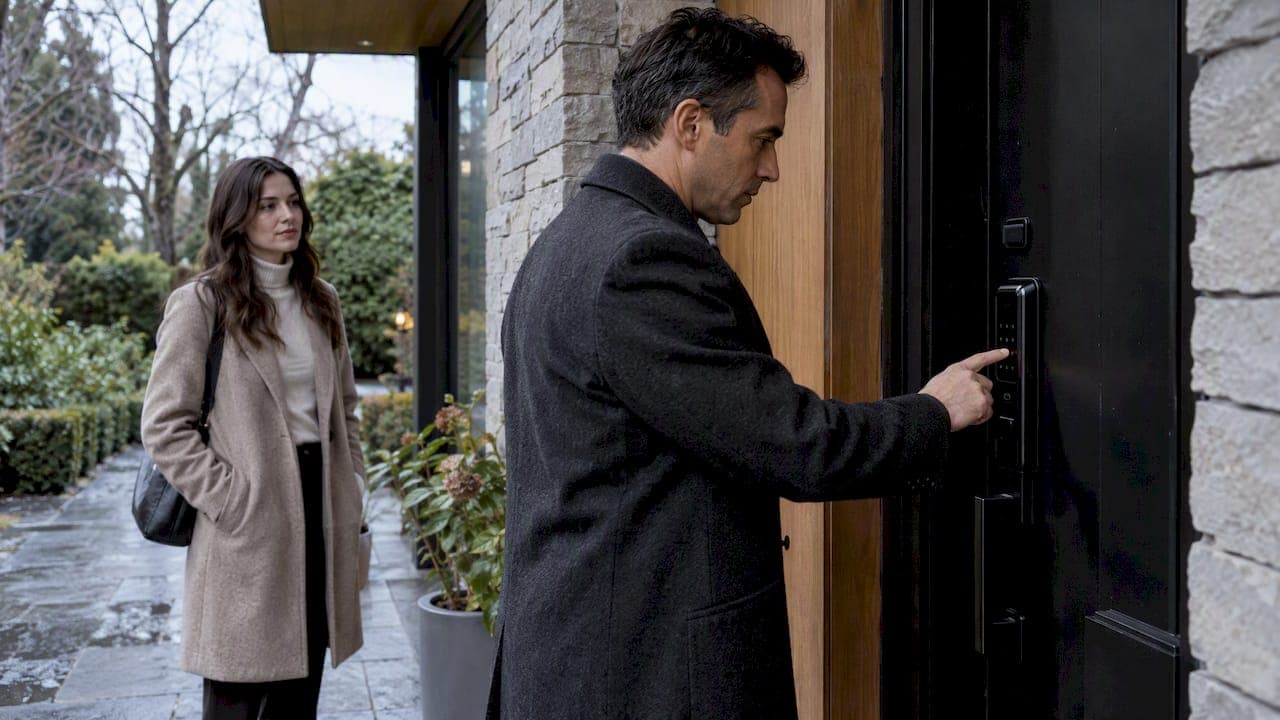
The recommended approach to smart lock guest access is concierge-managed, role-based entry with time-limited codes, audited logs, and tightly protected administrator credentials. For affluent and second-home owners, this means delegating day-to-day access to a trusted property manager rather than handling it personally. Done well, it delivers secure entry, a smooth guest experience, and compliance with Canadian privacy expectations set out by the Office of the Privacy Commissioner of Canada.
TL;DR:
- Proper credential management requires assigning separate, time-limited access codes to guests, staff, and contractors, with automatic expiration and restricted privileges.
- Policies must mandate logging, encryption, and explicit guest consent for access data, with regular review of all active credentials and logs.
- Concierge-managed workflows include pre-arrival verification, secure code delivery, real-time log access control, and immediate revocation at check-out to prevent security gaps.
- Backup access procedures and thorough pre-guest communication reduce risks of lock failure or access confusion during stays.
- Canadian privacy laws necessitate clear disclosure, secure storage, limited retention, and breach response procedures for all guest access logs.
Table of Contents
- Governance and policy essentials: roles, access rules, and admin controls
- Operational checklist: step-by-step workflow for concierge-managed guest access
- Privacy and legal duties when collecting access logs and guest data
- How a luxury concierge runs guest access for high-net-worth clients
- Integration patterns: automation, platform connection, and manual provisioning
- Guest onboarding checklist and communication essentials
- A concierge perspective: why governance beats convenience alone
- How Veil Concierge manages smart lock guest access for owners
- Sources
- FAQ
Governance and policy essentials: roles, access rules, and admin controls
Secure guest access starts with a written policy, not a lock app's default settings. Owners and the managers acting on their behalf need clear rules about who can open which door, under what circumstances, and for how long.
The foundation is role separation. Guests, housekeeping, maintenance trades, concierge staff, and the property owner each need distinct credentials scoped to their actual job, a principle known as least privilege. A trades contractor fixing a dishwasher has no reason to hold a code that also opens a wine cellar or home office.
- Assign separate credentials for guests, housekeeping, maintenance, concierge staff, and administrators.
- Set every non-owner credential to expire automatically rather than relying on someone to remember to remove it.
- Require multi-factor authentication on any account with master or administrative rights.
- Document how long access logs are kept, who can view them, and why.
- Confirm guests and contractors understand that entry events are recorded, before they arrive.
The Office of the Privacy Commissioner of Canada's IoT guidance recommends changing default passwords at setup, encrypting stored personal information, and being transparent about what a connected device records. A smart lock tied to a property management system is exactly this kind of device, and the same discipline applies.
Pro Tip: Review every active credential on a lock's system monthly, not just when a guest checks out: stale codes are the most common access gap property managers find.

Operational checklist: step-by-step workflow for concierge-managed guest access
A disciplined workflow turns policy into practice. Most concierge teams run the same sequence for every stay, adjusted for the property and the guest.
- Pre-arrival: Verify the guest's identity against the booking, schedule a code tied to the exact arrival and departure dates, and send the arrival window along with a backup plan if the lock loses connectivity.
- Check-in: Deliver the code securely through the property management system, a dedicated app, or a direct concierge message, and have a backup physical code ready in case the lock is offline.
- During the stay: Limit who can view access logs in real time, and set a clear escalation path if a guest reports a lock malfunction.
- Check-out and revocation: Expire the guest code immediately at departure, confirm the property is secure, and hand the unit to housekeeping with a fresh access window.
- Recordkeeping: Store access logs securely, set a defined retention period, and review them periodically for unusual entry patterns.
- Never reuse a guest's code for the next booking, even for a returning visitor.
- Keep a written log of who issued, changed, or revoked each credential.
Pro Tip: Build the revocation step into your check-out routine the same way you'd confirm a key return: it's the step most often skipped once a stay feels finished.
Privacy and legal duties when collecting access logs and guest data
Access logs are personal information, and in Canada that triggers real obligations. Property managers acting as landlords or hosts must comply with the Personal Information Protection and Electronic Documents Act, or a substantially similar provincial law, which means obtaining consent, limiting collection to what the purpose requires, and securing what is collected, as detailed by the Office of the Privacy Commissioner's landlord-tenant guidance.
- Tell guests before their stay that entry events are logged and why.
- Keep a short, plain-language privacy notice and a record of consent tied to each booking.
- Limit log retention to a defined period, then delete or anonymize the data.
- Encrypt stored logs and restrict viewing rights to named roles.
Provincial regulators reinforce the same expectations. Alberta's Office of the Information and Privacy Commissioner notes that landlords must make reasonable efforts to secure tenant personal information and follow defined breach response procedures, including containment, risk assessment, and notification when the risk warrants it.
When a breach does occur, the sequence matters: contain the exposure, assess who is affected and how seriously, notify the relevant regulator and affected individuals where required, and document the incident for future reference. Municipal guidance for short-term rentals echoes the same technical baseline: encryption, access controls, monitoring for unusual activity, and staff training, as outlined in Toronto's technical measures document.
How a luxury concierge runs guest access for high-net-worth clients
For owners who are rarely on-site, a concierge service takes on the operational burden that smart lock systems create. This typically includes issuing and revoking guest codes, verifying who is arriving before access is granted, coordinating housekeeping and trades around each stay, and supervising arrivals in person when discretion calls for it.
- Code provisioning and expiration for every guest, contractor, or vendor visit.
- Identity checks before any credential is issued.
- Coordination between housekeeping, trades, and arrival schedules.
- In-person supervision for sensitive or last-minute access requests.
Owners retain final say over who holds administrative rights and which approvals require their sign-off, even when day-to-day provisioning is delegated. Veil Concierge's property oversight services include this kind of arrival preparation and ongoing residence care, drawing on a vetted network of local operators rather than ad hoc arrangements. A last-minute guest change or an offline lock becomes a coordination problem the concierge solves, not a crisis the owner has to manage from another city.
Integration patterns: automation, platform connection, and manual provisioning
Three approaches dominate how managed guest access actually gets delivered, and each suits a different kind of property.
- Property management system automation delivers codes automatically tied to booking dates, which scales well across multiple units but needs careful control over who can access the API and change settings.
- Platform integration, such as Airbnb's smart lock connection, can generate unique, time-limited codes automatically for eligible listings, though eligibility and market availability vary and hosts still control any codes added manually to the lock.
- Manual concierge provisioning offers the highest level of discretion and is often the better fit for bespoke, high-touch stays where privacy matters more than scale.
Every method needs a fallback. When a lock goes offline, Airbnb notes that hosts can fall back on a backup code, and the same practice applies to any managed property: a backup code and a documented in-person handoff procedure.
Pro Tip: Test the backup code path before a guest ever needs it, not after the lock has already failed on a Friday evening.
Guest onboarding checklist and communication essentials
A good pre-arrival message prevents most access problems before they start. It should state the exact access window, explain exactly how the code will be delivered, name who can view entry logs, and give an emergency contact for after-hours issues.
- State the access window and how the code arrives (app, platform message, or concierge text).
- Name who can see access logs and for how long they're retained.
- Include a direct emergency contact separate from the booking platform.
- Record consent to data collection and attach it to the guest's file.
Internal handoffs matter just as much. Housekeeping and trades should receive the same arrival and departure windows as the guest, plus any access restrictions specific to that visit.
A concierge perspective: why governance beats convenience alone
A smart lock only solves half the problem. The other half is discipline: vetted partners, verified identities, and a plan for the moment a lock goes offline at 11 p.m. and a guest is standing at the door. That's where a single accountable contact matters more than any app.
— Veil
How Veil Concierge manages smart lock guest access for owners

Veil Concierge handles the operational side of guest access so owners don't have to monitor it themselves: provisioning and revoking codes, coordinating housekeeping around check-ins and check-outs, and overseeing trades visits on secondary or luxury residences.
- Scheduled residence checks and arrival preparation tied to each guest's stay.
- Coordination with a vetted network of local housekeeping and trades providers.
- Discreet handling of access credentials and guest information throughout.
Engagement typically starts with a conversation about the property and the level of oversight needed. Visit Veil Concierge's property oversight page to see how comprehensive home management is structured, or explore the membership packages for ongoing coverage across the year.
Sources
- Privacy in the landlord and tenant relationship - Office of the Privacy Commissioner of Canada
- Airbnb: Smart lock integration and guest codes
- Short-term rental technical and organisational measures (City of Toronto)
- Introduction to PIPA and landlord-tenant guidance - Office of the Information and Privacy Commissioner (Alberta)
FAQ
What is the safest way to give guests access to a smart lock?
The safest method is a time-limited code issued for the exact dates of the stay, expired automatically at check-out, and tracked in an access log with restricted viewing rights. Administrative credentials should stay separate from guest codes and protected with multi-factor authentication.
Who should manage guest access codes for a vacation property?
A property manager or concierge service is generally better positioned to manage guest codes than an absentee owner, since they can verify identities, coordinate arrivals, and respond to access issues in real time. Owners typically retain approval rights over administrative access while delegating day-to-day provisioning.
Do Canadian privacy laws apply to smart lock access logs?
Yes. Landlords and property managers collecting guest access data must comply with the Personal Information Protection and Electronic Documents Act or a substantially similar provincial law, which requires consent, limited collection, and secure storage, according to the Office of the Privacy Commissioner.
What happens if a smart lock goes offline during a guest's stay?
Most systems allow a backup code to be shared manually when a lock loses connectivity, as noted in Airbnb's smart lock guidance. A concierge or property manager should have this backup procedure ready before the stay begins, not improvised after the lock fails.
How long should guest access logs be kept?
There's no single fixed period under Canadian privacy law, so property managers should set a defined retention schedule based on the purpose of collection and delete or anonymize logs once that purpose no longer applies. Provincial guidance from bodies like Alberta's privacy commissioner expects reasonable security and a documented retention approach rather than indefinite storage.